


<- back

Waipā Foundation

Āina. Culture. Community.

Waipā Foundation

Kauaʻi, HI

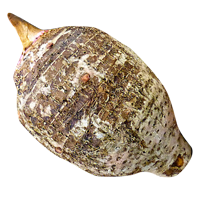
For over 20 years, Waipā Foundation has stewarded the 1,600 acre ahupua’a of Waipā, under a lease from the landowner, Kamehameha Schools. Located along Hanalei Bay, Waipā is one of the nine ahupua`a in Kauai’s Halele`a district. As Waipā Foundation (Waipā) in Hanalei, Kauaʻi looks to its new generation of leaders, they remain rooted in the goals of the founders to uplift communities through the cultivation of kalo (taro) and preparation of poi1, creating opportunities for people to connect back to ʻāina – that which feeds us, both the land and resources. 

The original vision of Hanalei farmers was to make poi accessible for all families. Poi, which comes from kalo, is a traditional and cultural staple food that has fed generations of people in Hawaiʻi. In the 1980s poi was not affordable or accessible to all. The founders of Waipā and farmers of Hanalei were committed to ensuring that all families could put poi on the table. Thirty years later, this commitment is carried on by a new generation of leaders who strive to provide community food access that honors the work of kūpuna (elders) founders while meeting the needs of today. Today, Waipā’s dedication is to restore the ahupuaʻa2, perpetuate Native Hawaiian culture, and grow people and community connections to place. 

Today, Waipā’s goals remain to provide food and land access, education, and Hawaiian culture perpetuation. In addition to their farmers markets, community poi days are an opportunity for neighbors, families, and community members to come together and continue Native Hawaiian cultural practices of making poi, a practice started by Hanalei farmers as a way to ensure that poi, a traditional and cultural staple or food source, was available to all families. Waipā continues to provide education and internship opportunities that engage young people from the community, leading them to return home to serve and work in the place they grew up.

Kaʻui Fu, born and raised in Hanalei, was a beneficiary of Waipā’s education and internship programs. For Kaʻui, Waipā became a puʻuhonua (safe place or refuge) to return to after living away from Kauaʻi. As a young leader, Kaʻui identifies Waipā’s personal significance as the place that welcomed her back home and started her journey to return back to ʻāina. 

The next generation of young leaders at Waipā experienced the privilege and power of being exposed to ʻāina and community-building at a young age. These leaders now have the responsibility to mold and shape the same programs that led them back to Waipā. The foundational skills and teachings passed down by past leaders and founders inspires this new generation to integrate innovative approaches to feed, serve, and educate their community. 

Taking an ʻohana leadership approach, Waipā staff have a collective and genuine commitment to one another, building relationships and trust that reach beyond Waipā. The staff and leadership at Waipā carry a cultural understanding of respect to each other and kūpuna, past and present. Waipā staff have integrated into their work culture an understanding that ʻāina-based work is a commitment to care for both the land and the people who work on it. 

1 In early Hawai‘i, taro [or kalo in Hawaiian] was a highly-prized food staple and was often used as medicine and in ritual. Hawaiian mythology holds that taro was the elder brother of man and therefore had a very sacred role in the culture. The cultivation of kalo was at the very core of Hawaiian culture and identity. Hawaiian kalo history (bishopmuseum.org)

2 Native Hawaiians created land divisions called ahupua‘a to adeptly manage island resources and provide continual sustenance to their island communities. HISTORY | Waipa (waipafoundation.org)

Kirstie Daly, similarly to Kaʻui, found herself back at Waipā after completing an internship at the farm. Waipā grew and developed skills that Kirstie never thought she had within herself. Looking to the future, Kirstie hopes to provide this next generation with the same opportunities and experiences she had as an intern at Waipā, bringing young people back home to the place they grew up.

Since 2018, Waipā’s projects have been guided by the extreme weather conditions faced in their Kauaʻi communities. While the ʻāina changes, Waipā’s intimate connection to place remains the same. The 2018 floods that impacted Kauaʻi shifted community access to the farm. In an effort to honor Waipā’s long standing value to provide food access and build trust-centered community relationships, Waipā began selling food through a self-serve honor system refrigerator. People now had the opportunity to purchase produce, entrees, and even dessert. This brought in a new community of people who had not visited Waipā in the past. Having accessible food options served the communities with long standing relationships with Waipā while inviting new groups to experience what the farm has to offer. 

Observing the need to adapt in order to meet the changing needs of community and climate, Waipā holds fast to their connection to place, food, and people. Waipā welcomes over 1,600 people to work on the farm yearly and produces an average of 800 pounds of poi per week, not including the amounts of produce that come from the farm weekly. As they expand and introduce non-traditional produce to the farm such as kale, Waipā’s promise to value ʻāina and food remains the same. The connection to Waipā and Hanalei and its people remains at the center as they grow to build new facilities and maintain food access for their communities. 

Lessons Learned 

  • Utilize an ʻOhana Style Leadership Approach –– an ʻohana (family) leadership approach is based on a cultural understanding of respect for each other and elders; respect and gratitude for those who have come before; it is not a climbing hierarchy, but rather making room for people to come in and join our growing ʻohana. 
  • Modernization that Honors Tradition — Modernization doesn’t have to replace tradition; there is a way to take something that has been done historically into a new context that meets people’s needs in current times. 
  • Creating a Supportive Environment for the Next Generation — Young leaders have the opportunity to digest what they’ve been given and expand upon it to make things better for generations to come. 
  • Engage in Responsible Place Keeping — We have a responsibility to maintain the quality of Waipā, the quality deserving of this place that serves as a puʻuhonua (safe place or refuge) and cultivates deep connections and aloha ʻāina (love of land and its resources). 
  • A Commitment to Build Culture, People, and ʻĀina — Hiki nō (resourcefulness and a “can do” attitude) creates a work culture where everyone does what they can and that commitment to supporting one another extends beyond caring for this place, this ʻāina (that which feeds us).

Image Credits: Waipā Foundation